
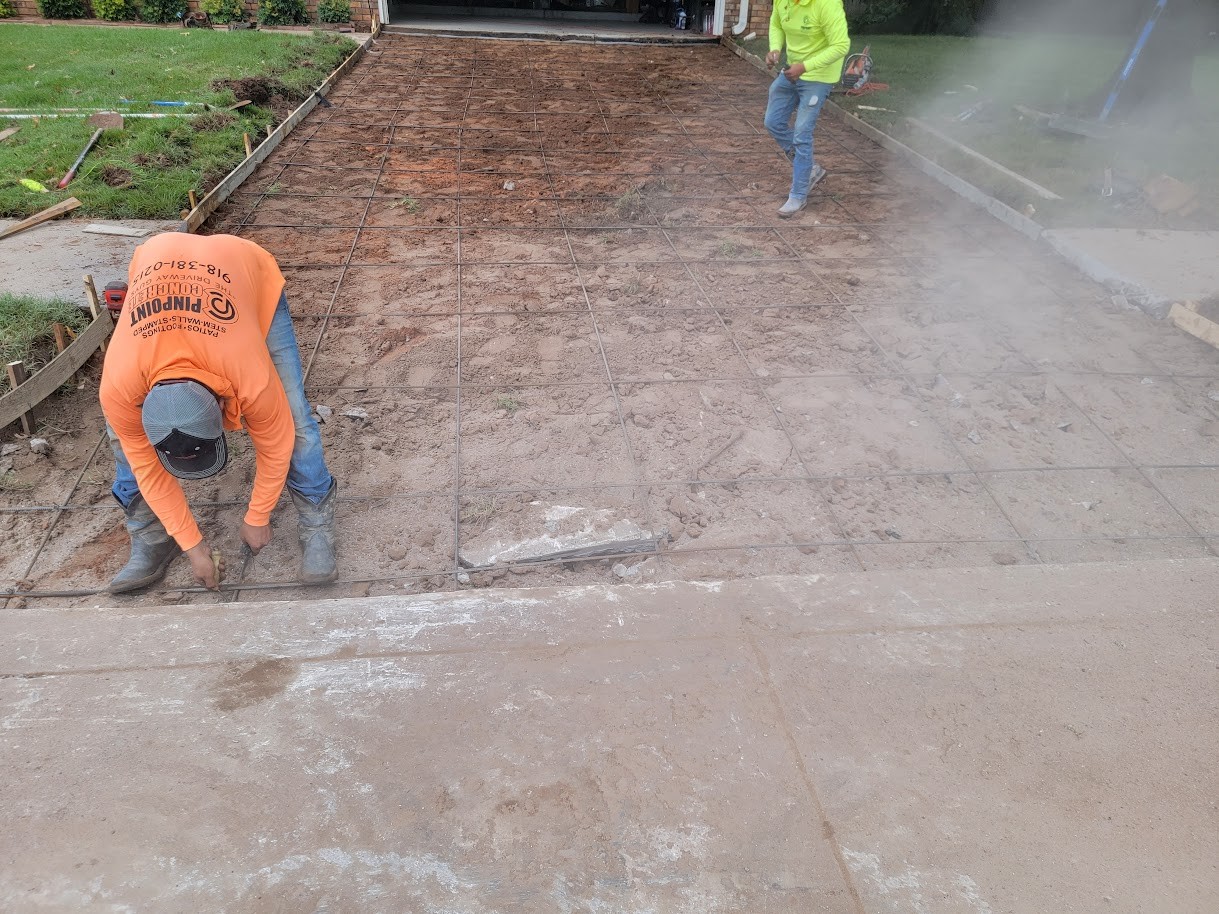
A driveway doesn’t fail overnight. It slowly develops cracks, uneven areas, and drainage issues that get worse with time. In this blog, we explain when a concrete driveway replacement service becomes necessary, what the process involves, and how homeowners can make the right decision before they replace concrete driveway surfaces. It will also help you understand the key signs of damage and what to expect during a full driveway replacement.
A driveway is used every day, so wear and tear is normal. Over time, heavy vehicles, weather changes, and soil movement start to show their impact. Small surface cracks may not seem serious at first, but they can grow deeper if ignored.
When the base underneath starts shifting, the damage becomes more visible. You may notice uneven sections, widening cracks, or sinking areas. At this point, patchwork repairs usually don’t hold up for long.
A concrete driveway replacement service is more than just removing old concrete and pouring new material. It is a full process that rebuilds the surface from the ground up.
We begin by inspecting the existing driveway to understand what caused the damage. This helps us plan the right solution instead of just covering the problem.
The service typically includes full removal, base correction, and complete new installation designed for long-term strength.
When we replace concrete driveway surfaces, we follow a clear and careful process. Every stage is important for durability.
Our approach includes:
We do not rush this work. Each step is done to ensure the new driveway performs well for years.
Not every driveway problem requires full replacement. But some signs clearly show that repairs will not last.
Replacement is usually needed when:
In these situations, continuing to patch the surface often leads to more cost over time.
A new driveway can last many years, but its lifespan depends on how well it is installed and maintained.
Important factors include:
A well-built driveway handles daily traffic without shifting or breaking down early. Simple maintenance like keeping it clean and sealed also helps extend its life.
Most driveway failures do not happen because of the concrete itself. They happen because of poor installation practices.
Common mistakes include:
We focus on avoiding these issues by paying attention to each detail during installation. That is what helps create a stronger and longer-lasting surface.
Driveway replacement is not just a surface job. It is structural work that depends on what is underneath. A strong finish always starts with strong preparation.
At Pinpoint Concrete, we take time to build a solid foundation before any concrete is poured. This helps reduce future cracking, sinking, and surface problems.
Homeowners often notice the difference in how stable and even a properly installed driveway feels.
If your driveway is showing signs of damage or uneven settling, it may be time to consider a replacement. At Pinpoint Concrete, we provide dependable concrete driveway replacement service designed to restore strength and improve long-term performance.
Contact us today to schedule an evaluation and get clear guidance on the best solution for your property.




© Copyright 2012 - 2026 | Pinpoint Concrete "The Driveway Guys" | All rights reserved